Why Thinking About Food Can Make You Hungrier Than You Really Are
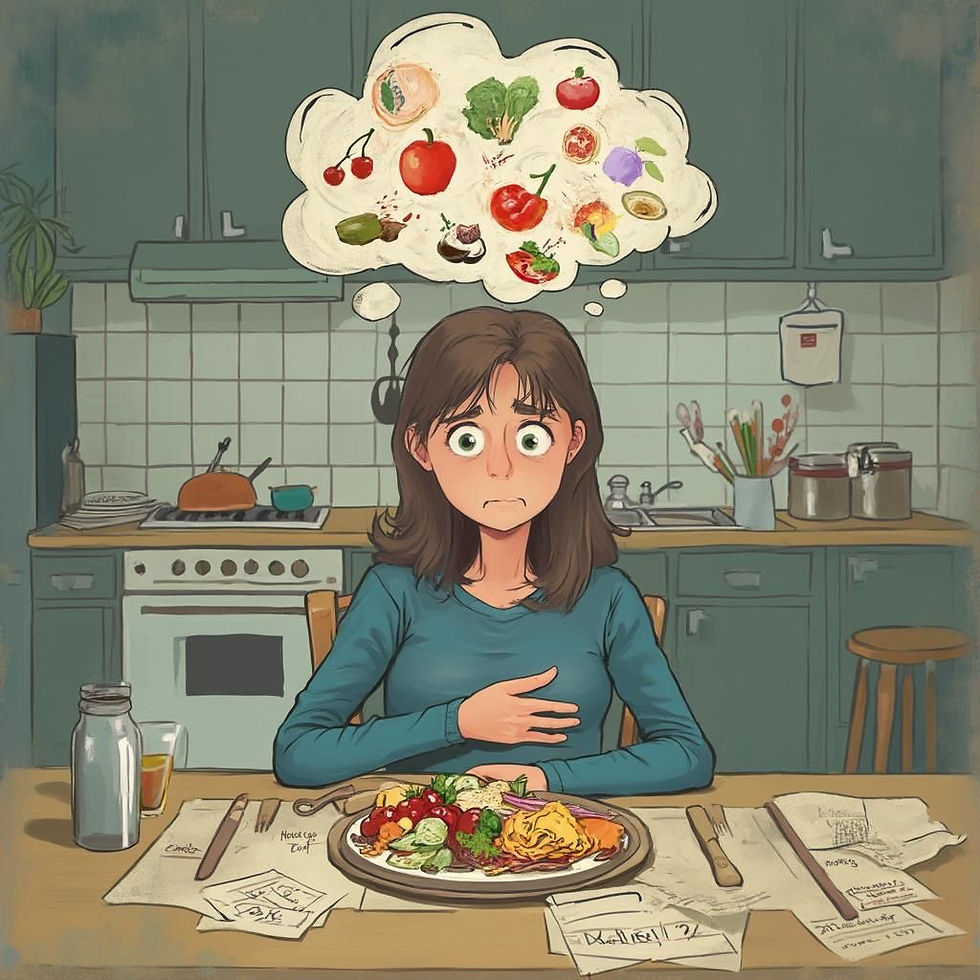
Have you ever started a diet and found yourself thinking about food all day, even when you weren’t actually hungry? Or noticed that your mind keeps replaying meals, snacks, or treats, making it impossible to focus on anything else?
It turns out that our brains and bodies are more connected than we realize and the way we think about food can completely change how we experience it.
Our Bodies Are Incredible Machines
Every part of our body communicates using chemicals, hormones, neurotransmitters, enzymes… in a perfectly system. Hunger, fullness, mood, and even cravings are not just about what we eat, but also about what we think and feel.
For example, thinking about a delicious dessert can trigger the release of dopamine, the “feel good” chemical, and even Ghrelin, the hormone that signals hunger. This means your brain can convince your body you’re hungry, even if you just ate.
Our bodies are constantly responding to thoughts, emotions, and sensory cues. it’s a complex dance between mind and body.
How Overthinking Can Sabotage a Diet
When we start a diet, we often focus on restrictions: “I can’t eat this, I can’t eat that.” At first, this seems simple, but soon our thoughts start to obsess over food. Imagine this:
John decides he will start a healthy diet tomorrow. Today, all he can think about is the foods he won’t be eating. The next morning, his first thought is, “What can I have for breakfast?” By lunch, he’s thinking about the treats he’s avoiding, and by dinner, he’s mentally replaying everything he could have eaten.
Even if he eats a perfectly nutritious meal that physically fills him up, his mind keeps focusing on restriction. This mental chatter amplifies hunger signals in his body and increases stress hormones like cortisol, making the diet feel unbearable. So in a simple words, it’s not always the food itself that’s the problem, it’s how we think about it.
Why This Matters for Your Relationship With Food
Overthinking and obsessing about food can make:
Healthy meals feel “boring” or unsatisfying
Portion control feel punishing
Cravings feel stronger than they really are
This explains why so many people struggle to stick to diets, even when they follow them perfectly. The mind can override the body’s signals, making hunger and cravings feel impossible to manage.
How to Break Free from Mental Obsession
You can train your mind to support your diet instead of sabotaging it. Here are some strategies:
Mindful Eating: Pay attention to your senses while eating. Notice flavors, textures, and satisfaction.
Shift Your Mental Framing: Replace “I can’t eat this” with “I choose this because it makes me feel good.”
Distract and Replace Obsessive Thoughts: Exercise, hobbies, or even a short walk can shift focus away from food.
Plan Enjoyable Meals: Include foods you like within your diet to reduce mental restriction.
Be Kind to Yourself: Thoughts about food are normal. Observing them without judgment helps you regain control.
Our brains are incredibly powerful. Sometimes, it’s not the food itself, but how we think about it that shapes hunger, satisfaction, and diet success. By understanding the connection between thoughts, emotions, and body chemistry, you can start building a healthier, more peaceful relationship with food and finally stop letting your mind hijack your meals


Comments